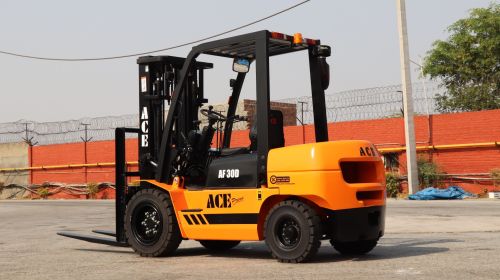
Forklift Truck and Powered Access Apprenticeship Programme (Level 3)
Lift Truck and Powered Access Engineering Technicians play a vital role in keeping businesses moving safely and efficiently. Working across industries such as engineering, manufacturing, construction, food production, warehousing, and logistics, they ensure lifting and access equipment remains safe, reliable, and compliant with industry standards. In this hands-on role, technicians inspect, service, maintain, diagnose, and repair a wide range of equipment, helping organisations minimise downtime and maximise productivity. They work in diverse environments, including workshops, warehouses, manufacturing plants, construction sites, distribution centres, and customer premises. Some technicians operate from fully equipped mobile service units, providing support directly at customer locations. The role involves regular interaction with supervisors, colleagues, warehouse personnel, equipment operators, and customers, requiring strong technical knowledge alongside excellent communication and customer service skills.
Safety is at the heart of the profession. Technicians must follow strict health, safety, and environmental regulations while delivering high standards of workmanship and customer care. With opportunities to work independently, solve complex problems, and develop specialist technical skills, this career offers a rewarding pathway for those interested in engineering and maintenance.
This apprenticeship is for:
- New entrants looking to develop advanced engineering skills in the materials-handling sector.
- Existing technicians who want formal recognition of their skills.
- Employers wishing to grow their own engineers to maintain, service, and inspect lift trucks, powered access equipment.
Apprentices are assessed through a combination of a multiple-choice knowledge tests, practical assessments where they demonstrate inspection, maintenance, fault diagnosis and repair skills, presentations and professional discussions during their training programme to fully prepare them for their Apprenticeship Assessment. These assessment methods are designed to ensure apprentices can apply their learning confidently in real-world engineering environments
Independent Apprenticeship Assessment is carried out through a multiple-choice test, a practical skills assessment, and a professional discussion supported by a portfolio of evidence, ensuring apprentices demonstrate both technical competence and workplace professionalism.
36 months
After completing the Level 3 apprenticeship, learners can progress into roles such as:
- Lift Truck/Powered Access Service Engineer
- Workshop Engineer
- Field Service Technician
- LOLER/PUWER Inspection Engineer
- Technical Support Specialist
- Engineering Team Leader
Progression Opportunities:
- Lead engineering maintenance technician
- EV essentials
- IMI Electric Vehicle levels 1 – 4
PPE including safety footwear, workwear and Hi Vis
An apprenticeship is a paid job combined with structured training. It allows you to gain hands-on workplace experience while developing the knowledge, skills and behaviours needed for your chosen career.
Most of your time will be spent working, supported by planned learning with your training provider. This includes off-the-job training, where you develop new skills beyond your normal day-to-day duties.
Throughout the programme, you'll receive workplace support, attend regular progress reviews and work towards an end-point assessment. This final assessment confirms that you can perform your role confidently and competently.
You'll receive support throughout your apprenticeship from your employer and the college.
A Skills Development Coach will visit your workplace approximately every six weeks to review your progress and support your learning and assessment, you will also be assigned a workplace mentor.
Tutors will deliver structured teaching, while regular progress reviews will help you, your employer and the college stay informed about your development.
Depending on your needs, support may also include:
- English and maths functional skills
- Safeguarding, wellbeing and pastoral support
- Learning Resource Centres and digital-skills support
- Financial or bursary support for eligible learners
- Equality, diversity and inclusion guidance
There's no training cost for the apprentice. You'll be employed and paid a wage while completing your apprenticeship.
Training and assessment costs are mainly funded by the government and the employer.
Levy-paying employers—those with an annual pay bill above £3 million—fund training through their Apprenticeship Levy account. Non-levy employers usually contribute 5% of the training and assessment cost, with the government funding the remaining 95%.
Eligible employers may also receive a £1,000 payment when employing an apprentice who is aged 16–18, or aged 19–24 with an Education, Health and Care Plan or experience of being in care. This is normally paid in two £500 instalments, subject to eligibility requirements.
Our Business Engagement Team can help employers and apprentices understand their options, identify suitable apprenticeship programmes and complete the onboarding process.
The team will support you from your initial enquiry through to setting up the apprenticeship.
To contact the team email: be@nwslc.ac.uk
Once you have submitted your application, you will be invited to attend an interview with one of our specialist tutors.
This is an opportunity to discuss your interests, previous experience and career aspirations, explore the facilities and ensure you are enrolled on the most appropriate programme for your future goals.

Disclaimer
The information provided about this course was accurate at the time of publication. Course details may be subject to change, often as a result of external factors such as amendments to awarding body or examination board specifications. While every effort is made to ensure that the information on this website remains accurate and up to date, prospective students are advised to confirm course details with the Admissions Team prior to enrolment to ensure the course meets their requirements. The institution accepts no responsibility for any errors or omissions in the information presented.